

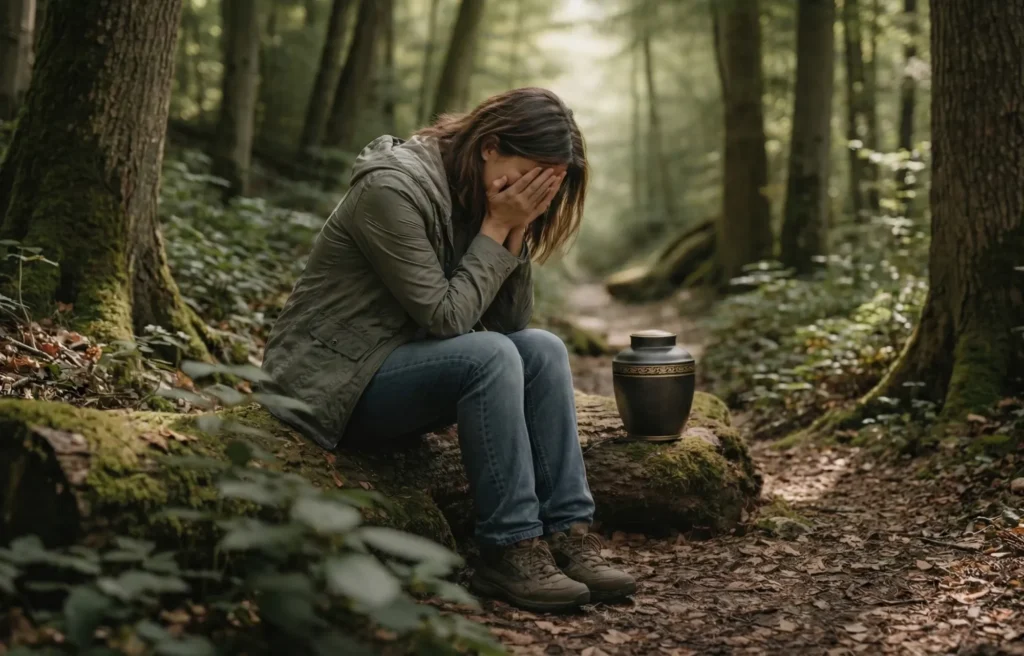
Grief: There Is No Right or Wrong Way to Grieve
Grief is something that, in one way or another, touches all of our lives. It is one of the most deeply personal and difficult experiences we can go through, and yet it is something we can often find incredibly hard to talk about. When we lose someone or something that means so much to us, life can suddenly feel very different. We may feel lost, overwhelmed, angry, numb or simply unsure of how to carry on.
Grief doesn’t follow a set pattern, and there is no timetable for healing. It can be unpredictable, arriving in waves when we least expect it. Some days may feel manageable, while others can feel just as painful as the beginning. Even when we think we are finding our way through, a familiar song, a special place, a birthday or a simple memory can bring everything flooding back.
Understanding grief – professionally and personally
Grief is an area that is particularly close to my heart, both professionally and personally. In previous roles, I have had the privilege of working alongside and supporting grieving families. These experiences, alongside my own personal experience of grief and my counselling training, have helped me develop a deeper understanding of just how different everyone’s experience of loss can be.
I know that grief cannot simply be put into a box or explained through a set of stages. Whilst theories and models of grief can help us make sense of some of what we experience, they cannot fully capture the uniqueness of each person’s journey. We all have different relationships, different circumstances and different ways of coping.
For some, grief may bring overwhelming sadness and tears. For others, it may show itself through anger, guilt, anxiety, exhaustion or even a sense of numbness. You might find yourself questioning things, struggling to concentrate or feeling disconnected from the world around you. You may even experience moments of happiness or laughter and then feel guilty for doing so.
All of these feelings can be part of grief. There is no right or wrong way to feel.
Why does grief sometimes feel so overwhelming?
When we lose someone we love, we don’t just lose that person. We can also lose the routines, the conversations, the shared experiences, the future we imagined and the sense of security that relationship brought into our lives.
Sometimes, we are not only grieving the person themselves, but everything that their presence meant to us.
It can be difficult when the world around us seems to carry on as normal, while our own world feels as though it has changed completely. Other people may return to their everyday routines, and we can feel pressure to do the same. There may be well-meaning comments such as ‘time is a healer’ or ‘you have to be strong’, but sometimes these words, however kindly intended, can leave us feeling that we should be further along in our grief than we are.
The truth is that grief doesn’t work like that. You don’t have to be strong all the time, and you don’t have to meet anyone else’s expectations of how you should be coping.
Learning to live with loss
There is often a misconception that healing from grief means moving on or leaving the person we have lost behind. For many people, this simply doesn’t feel right.
Perhaps it is more helpful to think about finding a way to carry our loss with us, whilst gradually discovering how to live alongside it. This doesn’t mean forgetting, loving any less or letting go of precious memories. It means allowing ourselves the time and space to adjust to a life that may look very different from the one we knew.
There may be days when you feel able to take small steps forward, and others when all you can manage is getting through the day. Both are okay. Sometimes, the smallest things can feel like huge achievements, and it’s important to recognise and be gentle with yourself through these moments.
How counselling can help with grief
Sometimes, talking to friends and family can help, but there may also be times when you don’t want to worry those closest to you, feel that they don’t quite understand, or simply need somewhere to talk openly without feeling judged.
Counselling can offer a safe, supportive and compassionate space where you don’t have to hide how you are feeling or put on a brave face. You can talk about the person you have lost, share memories, explore difficult feelings or simply sit with whatever is coming up for you.
As a counsellor, I work with adults using an integrative approach, recognising that everyone is different and that there is no single approach that works for everyone. I won’t tell you how you should be feeling, where you should be in your grief or how quickly you should be moving forward.
Instead, I hope to offer a space where you feel listened to, understood and accepted, whatever your experience of grief looks like. Together, we can gently explore your feelings, make sense of what you are going through and find ways to support you as you navigate life after loss.
You don’t have to go through it alone
If you are experiencing grief, please remember to be kind to yourself. You are not grieving incorrectly. You are not weak because you are struggling, and you are not failing because some days feel harder than others.
There is no deadline for grief, no magic words that take away the pain and no one-size-fits-all way of finding your way through it.
Sometimes, having someone alongside you who will simply listen, understand and offer a little support can make a difference.
If you feel you would benefit from having someone to talk to, counselling may be a helpful place to start. You don’t need to have the right words, know where to begin or have everything figured out. You just need to come as you are.
You deserve the time, space and understanding to grieve in your own way.